What Spa Treatments Can I Have When I’m Pregnant?
When you’re pregnant, treating yourself to something special is well-deserved and enjoyable. Whether it’s indulging in a luxurious bath, savouring a delicious meal at an exquisite restaurant, or pampering yourself with a spa day and treatments, there are plenty of options available to you during pregnancy.
When you book, tell the spa you’re pregnant so they can adapt treatments and products, and complete any health questionnaire they provide.
When is the best time to book a spa treatment in pregnancy?
You can visit a spa at any stage with sensible precautions, but most spas advise avoiding hot facilities and most treatments in the first trimester unless they’re specifically designed for early pregnancy.
In all trimesters, focus on cooler areas, avoid overheating, and take extra care around wet surfaces to prevent slips.
First trimester (0-13 weeks)
Most spa facilities are generally safe for pregnant women to use. However, some spas may advise against certain treatments or fitness classes until at least 12 weeks of pregnancy. Keep things gentle and short, choose cooler areas, and avoid any heat-based facilities if you feel warm or light-headed.
Opt for calm options like facials, scalp, hand or foot treatments, and take regular water breaks.
Second trimester (14-27 weeks)
The second trimester is often recommended as the best time to enjoy a spa experience when morning sickness has subsided and you have more energy. Many guests feel comfortable booking a prenatal massage with a trained therapist during this stage.
Tell your therapist how you are feeling so they can adapt pressure, pillows and timing, and consider booking earlier in the day when you have more energy.
Third trimester (28 weeks and Beyond)
The same precaution applies to those who are over 32 weeks pregnant. Comfort is the priority now, so side-lying positioning with lots of pillows and unhurried changes of position work well.
Shorter, targeted treatments for back, hips, legs, neck and shoulders tend to feel best, and gentle time in cooler areas helps you stay comfortable.
Pregnancy-safe spa treatments to consider
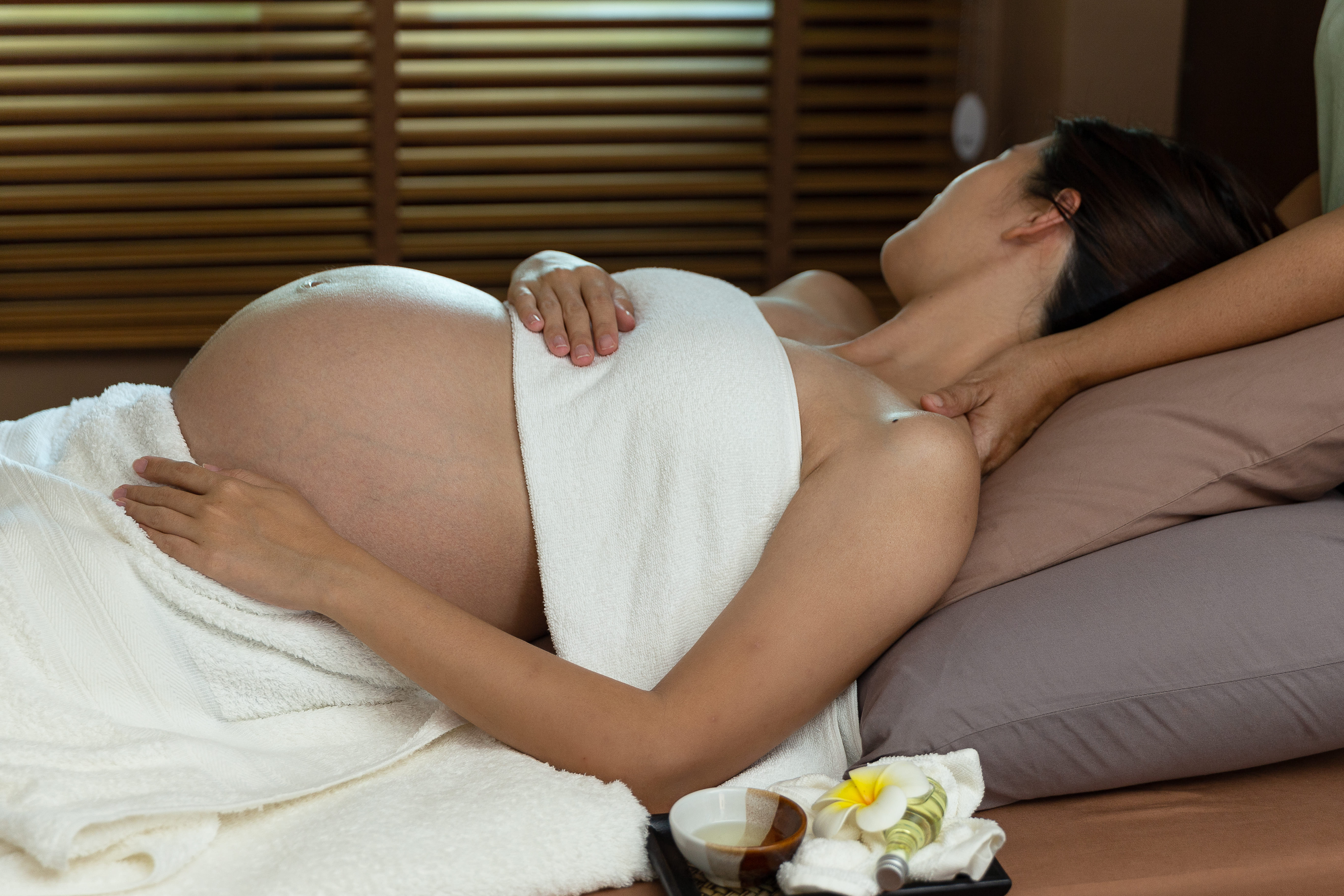 Image credit: Getty Images
When choosing a spa and considering treatments during pregnancy, it’s important to choose a spa with experienced staff who are knowledgeable in caring for pregnant women.
At Northcote Manor, we offer a TEMPLESPA New Beginnings pregnancy massage, allowing you to enjoy a full-body massage without having to lie on your tummy. Additionally, we provide a delightful facial treatment and a rejuvenating TEMPLESPA AHHHH! leg energiser treatment. Look for treatments clearly described as pregnancy or prenatal, which most spas offer after the first trimester.
For those in their second or third trimester, a light Temple Spa facial may also be recommended. Speak with your therapist to customise the experience, always with your comfort and wellbeing at the centre.
Dedicated prenatal facials account for skin changes in pregnancy and use gentler formulas.
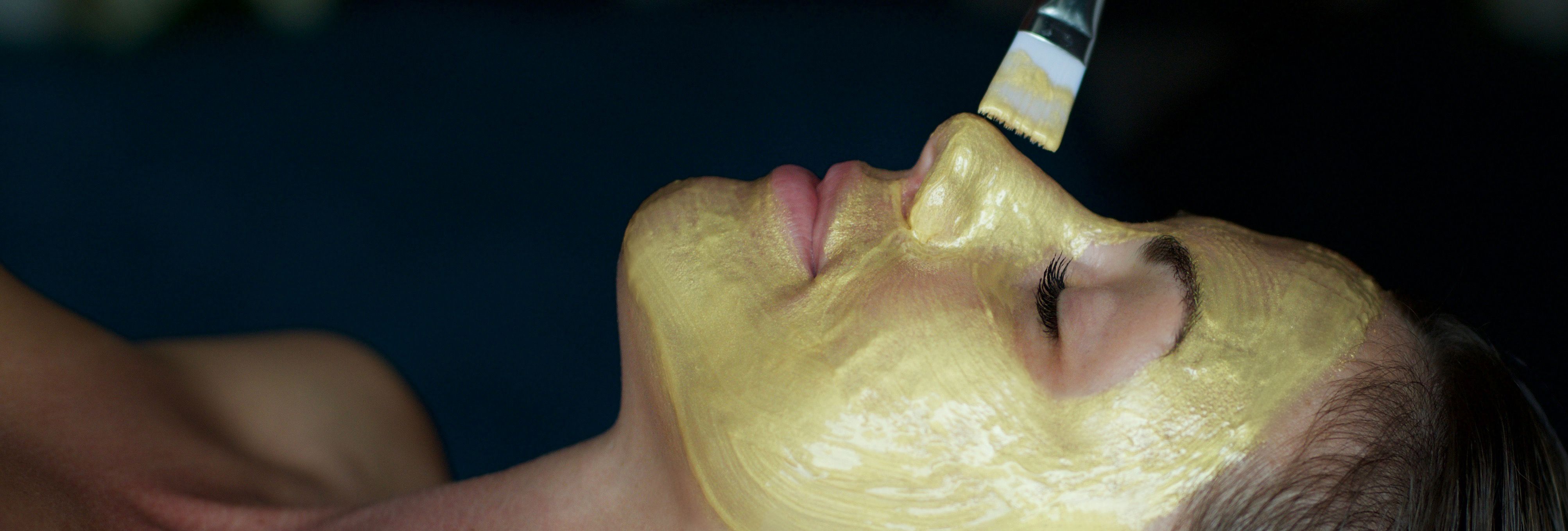
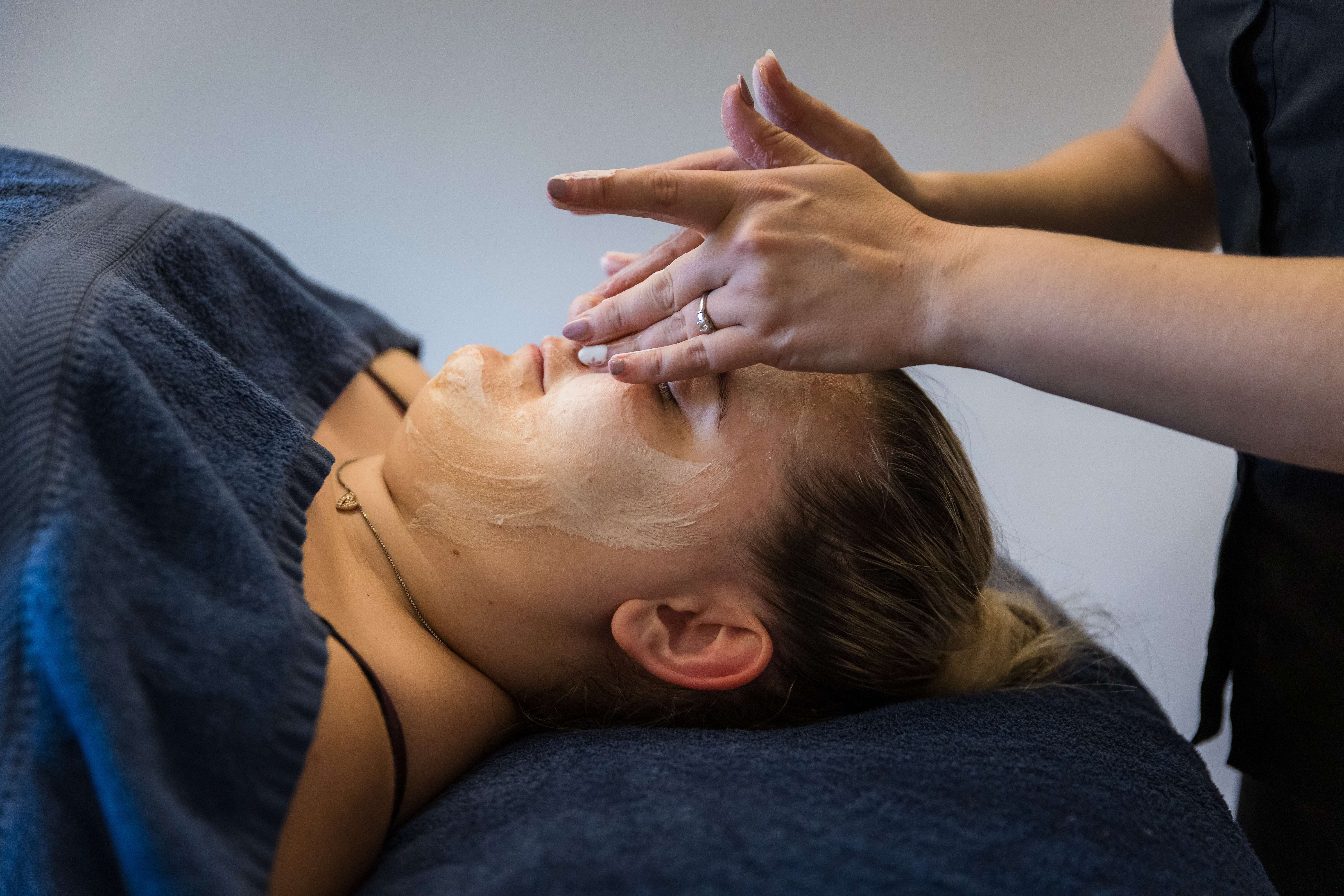
Facials are a suitable option during pregnancy, as they can address dehydrated and blemished complexions, enhancing the natural pregnancy glow. It is recommended to opt for lighter and gentler facials, while avoiding chemical peels and hydroquinone.
At our spa hotel in North Devon, we offer several facial treatments that can be enjoyed either alongside a full-body massage or on their own. Treatments to usually avoid include deep tissue or hot stone massage, intense wraps or vigorous scrubs, and aromatherapy unless products are confirmed pregnancy appropriate.
Manicures and pedicures are fantastic choices for the second and third trimesters. As your baby bump grows, it becomes challenging to reach and care for your toes.
A pedicure can leave you feeling fresh and well-groomed when it’s difficult to do it yourself. At Northcote Manor, we offer luxurious pedicure and manicure treatments to help you feel effortlessly put together. Standard manicures and pedicures are generally considered safe throughout pregnancy, but let your therapist know you are pregnant so they can avoid any sensitive pressure points if a massage element is included.
What to expect from a prenatal massage
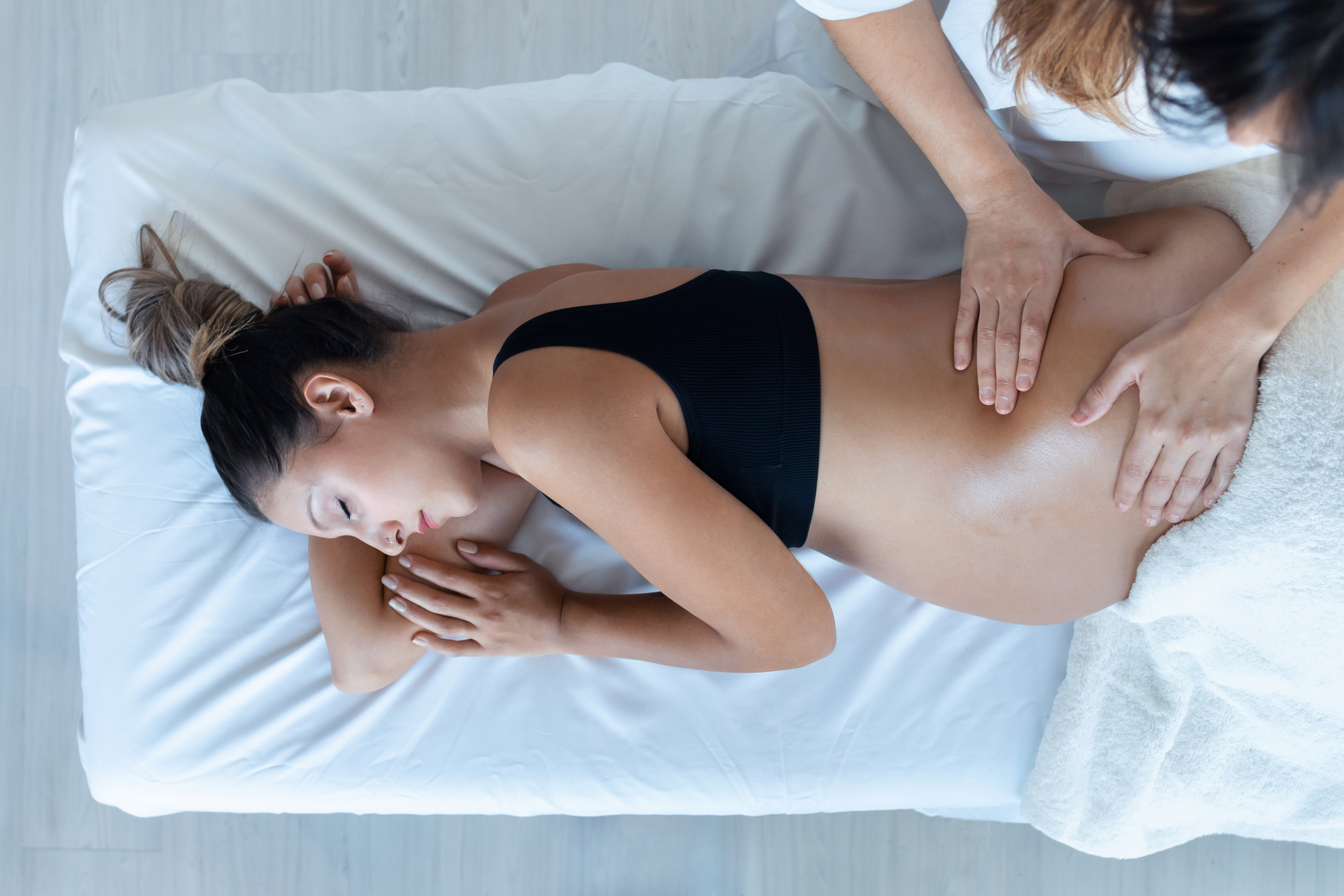 Image credit: Getty Images
A full-body massage is a wonderful relaxation treatment for expecting mothers. Pregnancy can cause your body to work extra hard to nurture your growing baby, leaving you feeling tired and achy. A full-body massage is the perfect way to release tension, soothe muscles, and make you feel like you’re floating on a cloud.
Delivered by specially trained therapists, this side-lying treatment focuses on easing back pain, swelling and anxiety in a safe, supported way. Book a dedicated prenatal massage rather than a standard deep tissue option, and always tell your therapist you are pregnant so they can adapt positioning, pressure and products.
Prenatal massages typically use lighter pressure with side-lying support cushions and are generally offered after the first trimester.
Pregnancy brings about significant changes in the body, often accompanied by discomfort. Recent research supports the benefits of regular massages during pregnancy as a safe and relaxing way to alleviate discomfort. Not only does it improve your physical and mental well-being, but it can also benefit your baby.
Many pregnant women experience low back pain, which can be attributed to changes in body posture. These postural changes can lead to muscle imbalances and compression of the sciatic nerve. Massages help loosen muscles, relieve pressure, increase elasticity, and enhance the range of motion around joints and muscles.
In addition to low back pain, upper back pain and headaches are common challenges for pregnant women. Changes in body posture and an increase in breast size can contribute to muscle imbalances and sudden upper back pain. Hormonal changes and increased blood volume during pregnancy can also lead to headaches. An upper-body massage can effectively alleviate tension in the muscles of the head, neck, and shoulders, release trigger points, and stretch shortened muscles.
Facilities: what to know
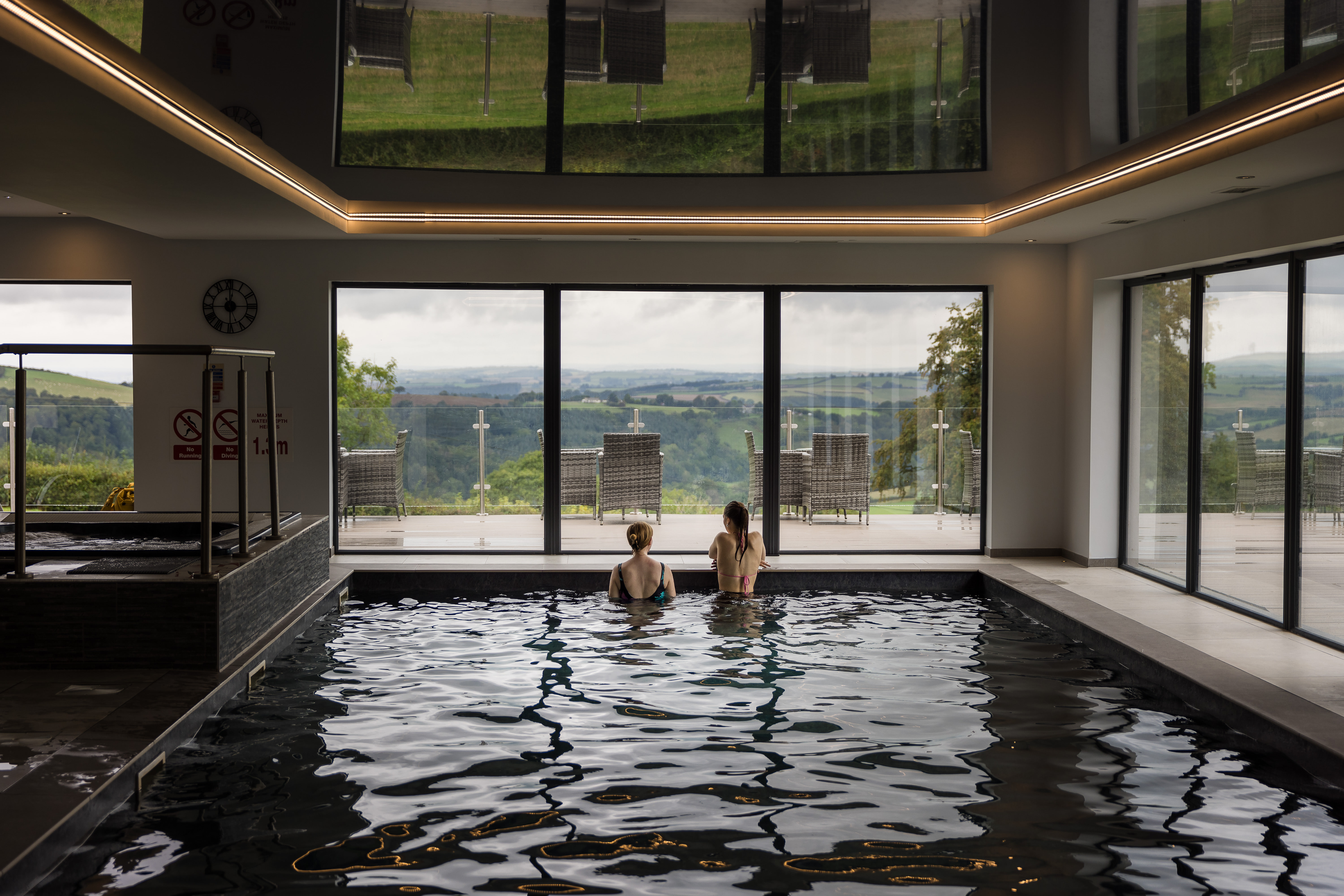 Image credit: Northcote Manor
It is advised to avoid using spa facilities such as saunas, steam rooms, and hot tubs during pregnancy due to the risk of overheating. This caution is especially crucial in the first trimester as it can cause a temporary drop in blood pressure and dizziness. High temperature facilities are generally not recommended in pregnancy because of overheating, dehydration and dizziness risks.
However, a warm bath or pool can still be enjoyed safely for relaxation purposes. The water temperature should not exceed 35 degrees Celsius or 32 degrees Celsius for swimming. Our own swimming pool at Northcote Manor is heated to 30 degrees Celsius, the perfect temparature for taking some weight off your legs and floating into relaxation.
Essential oils and skincare during pregnancy
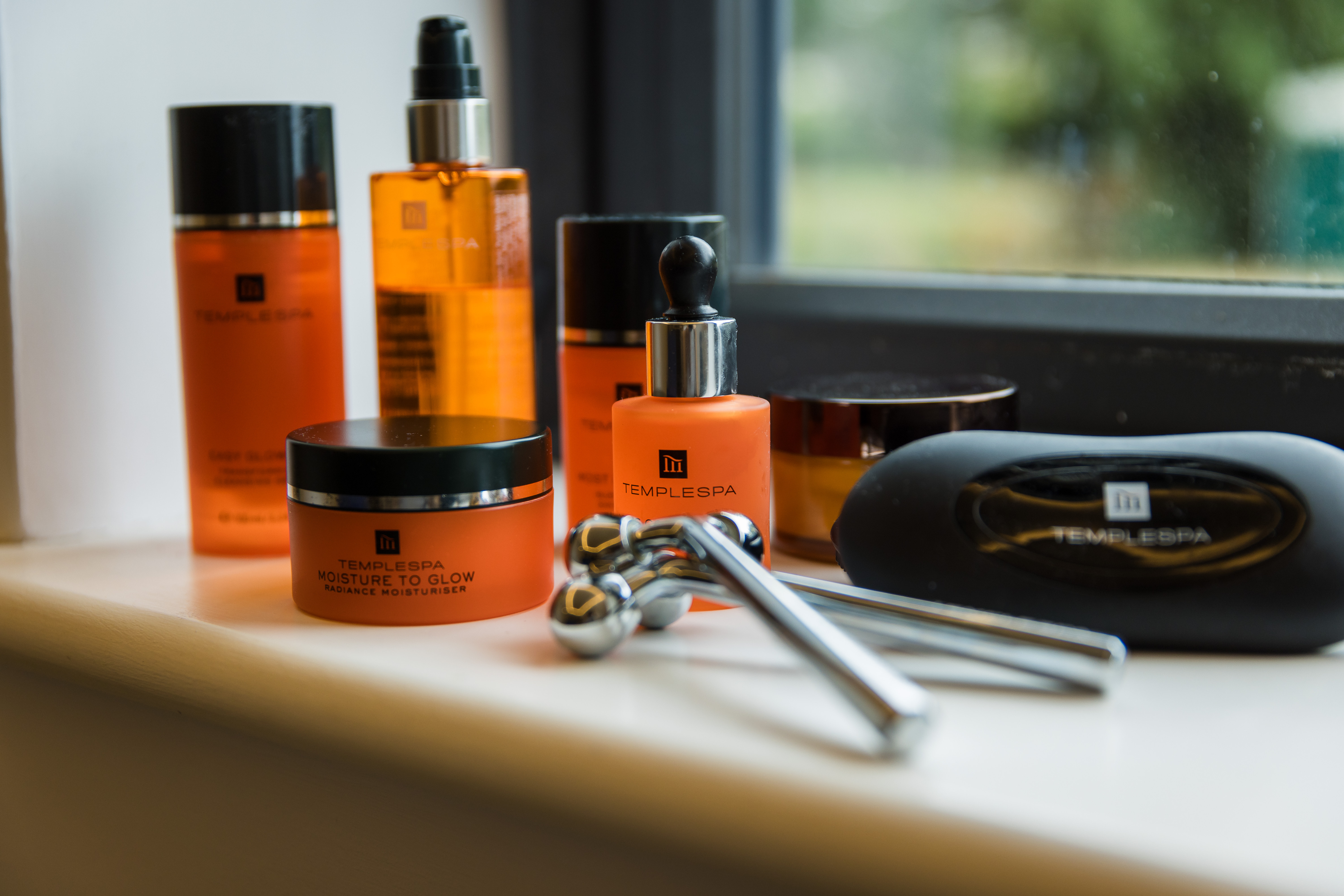 Image credit: Northcote Manor
Essential oils have a longstanding history as natural remedies for various ailments. While they have shown potential in alleviating discomfort during pregnancy, their safety during this time remains a question. Limited research is available regarding the impact of essential oils on developing foetuses. Not all essential oils are confirmed safe in pregnancy, so if a treatment includes aromatherapy make sure your therapist knows you are pregnant so they can select suitable products or remove essential oils entirely.
According to Jill Edwards, N.D., a naturopathic doctor specialising in prenatal care based in Oregon, it is not recommended to use essential oils during the early stages of pregnancy. This caution is due to the potential risk of inducing uterine contractions or negatively affecting the baby’s early development.
“In the second and third trimesters, some essential oils are considered safe to use, as your baby is more developed,” Edwards explains. Lavender, chamomile, and ylang-ylang are among the essential oils generally considered safe later in pregnancy, as they promote relaxation, calmness, and improved sleep. However, there is a broader range of essential oils that can be potentially used during pregnancy.
Essential oils that can be used during pregnancy
The International Federation of Professional Aromatherapists identifies the following essential oils as generally safe during pregnancy:
Benzoin, Bergamot, Black Pepper, Chamomile, Cypress, Eucalyptus, Frankincense, Geranium, Ginger, Grapefruit, Juniper, Lavender, Lemon, Mandarin, Neroli, Petitgrain, Rose Otto, Sandalwood, Sweet Marjoram, Sweet Orange, Tea Tree, and Ylang-ylang.
Essential oils that cannot be used during pregnancy
Certain essential oils should be avoided during pregnancy due to their potential to cause uterine contractions. It is best to refrain from using the following essential oils until after your baby arrives:
Aniseed, Arnica, Basil, Bitter Almond, Boldo Leaf, Broom, Buchu, Calamus, Camphor (brown or yellow), Cassia, Cedarwood/Thuja, Chervil, Cinnamon, Clary Sage, Clove (bud, leaf, or stem), Coriander, Costus, Deer Tongue, Dwarf Pine, Elecampane, Fennel, Horseradish, Hyssop, Jaborandi Leaf, Juniper Berry, Melilotus, Mugwort, Musard, Nutmeg, Origanum, Parsley, Pennyroyal, Red Thyme, Rosemary, Rue, Sassafras, Savin, Summer Savory, Sweet Birch, Tansy, Tonka, Wintergreen, Cinnamon, Clove, Rosemary, Clary Sage, and Wormwood.
Plan Some TLC in North Devon
At Northcote, we offer a wide range of spa treatments specifically tailored for expecting mothers. Our spa treatments can be customised to ensure your comfort and enjoyment. For the ultimate pre-baby relaxation, we also provide a variety of indulgent spa days in North Devon, allowing you to enjoy our range of soothing spa treatments as well as a delightful dining experience in our two AA Rosette restaurants or a cream tea.
Contact us today to book a well-deserved spa experience!